If your doctor told you to "get more fiber" and left it at that, you have probably discovered that the supplement aisle is not much help. Powders, capsules, gummies, and chewables all promise "digestive health," but they contain very different fibers that behave in very different ways inside your gut. This guide ranks fiber supplements by the actual clinical evidence behind them, explains why psyllium keeps coming out ahead, and covers how to start without spending a week bloated and gassy.
This article is for general education and is not a substitute for advice from your own physician or gastroenterologist.
Quick Answer
Psyllium husk (sold as Metamucil) is the best-evidenced fiber supplement for constipation, and it also has meta-analysis support for lowering LDL cholesterol and improving blood glucose. Start with a low dose, take it with a full glass of water, and increase slowly to limit gas and bloating.
Sources: PMID 35816465, PMID 30239559, PMID 26561625
Soluble vs. Insoluble Fiber: Why the Type Matters More Than the Amount
Dietary fiber is usually split into two broad categories, and the distinction drives almost everything about how a supplement will feel and work.
Soluble fiber dissolves in water. A subset of soluble fibers — most importantly psyllium — are also gel-forming: they absorb water and swell into a thick, viscous gel. That gel is the mechanism that matters for constipation. It holds water inside the stool as it moves through the colon, keeping it soft, bulky, and easier to pass. The same gel slows how quickly sugar and cholesterol-rich bile are absorbed in the small intestine, which is why gel-forming fiber has effects that reach beyond the bathroom.
Insoluble fiber does not dissolve. Wheat bran is the classic example. It passes through largely intact and adds coarse bulk. For some people that mechanical stimulation helps move things along, but in a sensitive or irritable gut, coarse insoluble particles can be an irritant rather than a remedy.
A crucial and widely misunderstood point is that "soluble" does not automatically mean "gentle and effective." A detailed review of fiber physics in the gastrointestinal tract argued that many popular assumptions about soluble and insoluble fiber are simply wrong, and that the property that actually predicts a laxative benefit is water-holding gel formation — not solubility on its own PMID: 27863994. That single idea explains why psyllium, a gel-forming soluble fiber, tends to outperform both coarse bran and non-gelling soluble powders for constipation.
Fermentable vs. Non-Fermentable: Why Some Fibers Cause More Gas
The second axis that matters is fermentation. Your colon is home to trillions of bacteria, and many fibers are food for them. When bacteria ferment a fiber, they produce short-chain fatty acids — which have their own benefits — but also hydrogen, carbon dioxide, and methane. That gas is what you feel as bloating and flatulence.
Highly fermentable fibers include inulin, fructo-oligosaccharides, and wheat dextrin (the fiber in Benefiber). They tend to be well tolerated in small amounts but can produce noticeable gas as the dose climbs. Psyllium sits at the other end of the spectrum: it is only minimally fermented, so most of it reaches the end of the colon still holding water, and it produces relatively little gas. That combination — a durable water-holding gel that resists fermentation — is exactly what you want for a reliable, low-gas laxative effect.
There is a trade-off worth naming. Rapidly fermented fibers do not survive far enough down the colon to keep stool soft the whole way, which is one reason a clinical review concluded that fermented fiber supplements were no better than placebo for a laxative effect, and in some cases were mildly constipating PMID: 27680987. If your primary goal is regularity rather than feeding your microbiome, a non-fermented gel-former is the more direct tool.
Our Rankings
These rankings are ordered by the strength of clinical evidence for the specific fiber in each product, with an emphasis on constipation, the most common reason people reach for a fiber supplement. Fiber is only one lever, though — our evidence-based constipation relief guide covers how it stacks up against osmotic and stimulant laxatives. We cover magnesium, one of those osmotic options, in our guide to magnesium supplements for constipation.
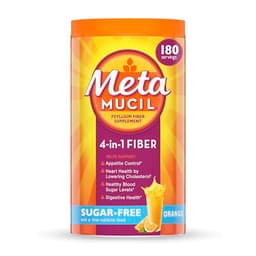
Metamucil (Psyllium Husk)
Best For
Chronic constipation, plus cholesterol and blood-sugar support
Works In
12-72 hours; full effect over 1-2 weeks
Price
$34.97
$0.95 / ounce
Pros
- ✓Psyllium is the best-evidenced fiber for constipation, with meta-analysis support for stool frequency and consistency
- ✓Gel-forming and only minimally fermented, so it tends to cause less gas than inulin or wheat dextrin
- ✓Additional randomized and meta-analytic evidence for lowering LDL cholesterol and improving blood glucose
Cons
- ✗Must be taken with a full glass of water, and the texture thickens fast if you drink it slowly
- ✗Can still cause bloating in the first week if you start at a high dose
- ✗Sugar-free versions use sweeteners some people dislike; check the label for your preference
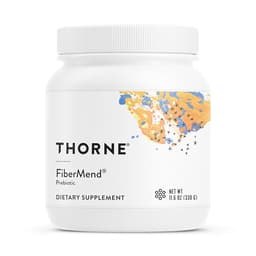
Thorne FiberMend (Partially Hydrolyzed Guar Gum)
Best For
IBS with bloating, or people who find psyllium too gassy or too thick
Works In
Bloating benefit measured over 12 weeks
Price
$45.00
$3.88 / ounce
Pros
- ✓Main fiber is partially hydrolyzed guar gum (8 g per scoop), which improved bloating versus placebo in a 12-week IBS trial at 6 g/day
- ✓Dissolves without gelling, and in an IBS comparison trial PHGG was better tolerated and preferred over wheat bran
- ✓NSF Contents Certified, according to its Amazon listing
Cons
- ✗PHGG is fermentable and non-gel-forming, so its evidence for relieving constipation is weaker than psyllium's
- ✗In the placebo-controlled IBS trial it improved bloating but not overall IBS severity or quality of life
- ✗Adds rice bran, larch arabinogalactan, pectin, and a green tea extract that the PHGG trials did not test
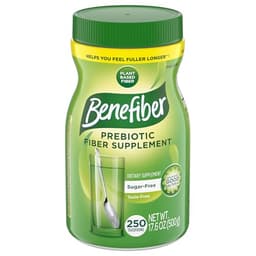
Benefiber (Wheat Dextrin)
Best For
A grit-free, taste-free fiber that stirs invisibly into drinks
Works In
Variable; best for general fiber top-up rather than acute constipation
Price
$22.98
$1.31 / ounce
Pros
- ✓Dissolves clear and tasteless, mixing into coffee, water, or food without changing texture
- ✓Convenient way to add supplemental fiber to the diet for people who tolerate it well
- ✓Widely available and inexpensive
Cons
- ✗Wheat dextrin is a fermentable, non-gel-forming fiber, so its laxative evidence is weaker than psyllium's
- ✗Fermentation can produce more gas and bloating at higher doses
- ✗Contains wheat-derived fiber, so it is not appropriate for people avoiding wheat
Amazon prices retrieved from the Amazon Product Advertising API on . Prices and availability are accurate as of that time and may change.
A note on generic psyllium: Metamucil is the most recognizable brand (we cover how it holds up as a laxative in depth), but psyllium husk is a commodity ingredient. Plain psyllium husk powder or capsules from many manufacturers deliver the same fiber, often at a lower cost per serving. If you buy generic, look for a product that lists psyllium husk as the fiber and take the same total grams used in the research below. The evidence in this article is for psyllium the ingredient, not for any single brand.
What the Evidence Shows for Psyllium
Psyllium is unusual among supplements in that it has been studied for three distinct outcomes, each with reasonable-quality evidence.
Constipation. An updated systematic review and meta-analysis of fiber supplementation for chronic constipation in adults found that fiber increased stool frequency and improved stool consistency, with psyllium among the most effective fibers studied, generally at doses above 10 grams per day taken for at least four weeks PMID: 35816465. A separate randomized trial in patients with type 2 diabetes and chronic constipation found that psyllium significantly improved constipation compared with placebo PMID: 30219432. And a comparative-effectiveness trial in adults with chronic constipation found that psyllium performed comparably to other evidence-based options such as kiwifruit and prunes for improving symptoms PMID: 34074830. Across these studies the picture is consistent: psyllium reliably makes stool softer and more frequent for most people who take an adequate dose. Psyllium has also been tested head-to-head against an osmotic laxative, where it lost on every efficacy measure reported; we work through that trial and what it means for picking between them in our Metamucil vs MiraLAX comparison.
Cholesterol. A systematic review and meta-analysis of randomized controlled trials found that psyllium (at a median dose of roughly 10 grams per day) significantly lowered LDL cholesterol, along with non-HDL cholesterol and apolipoprotein B — two additional markers linked to cardiovascular risk PMID: 30239559. This is the mechanism behind psyllium's inclusion in some cholesterol-management plans; the gel binds bile acids in the gut, prompting the liver to pull cholesterol from the blood to make more.
Blood glucose. A meta-analysis of psyllium and glycemic control found that it improved blood glucose measures, and notably that the benefit was larger in people with poorer baseline control, such as those with established type 2 diabetes, than in people with normal blood sugar PMID: 26561625. The viscous gel slows gastric emptying and glucose absorption, blunting post-meal spikes.
None of this means psyllium is a substitute for prescribed medication for high cholesterol or diabetes. It is a modest, additive tool with a good safety profile — worth discussing with your clinician if those numbers are part of your picture, not a reason to stop a statin or skip your diabetes plan.
Fiber and IBS: Soluble Helps, Bran Can Hurt
If you have irritable bowel syndrome, the type of fiber matters even more, because the wrong one can make symptoms worse. A systematic review and meta-analysis of fiber supplementation in IBS found that soluble fiber, such as psyllium (ispaghula), produced a modest but real improvement in overall IBS symptoms, whereas insoluble fiber like wheat bran did not improve symptoms and appeared to worsen them in some patients PMID: 25070054.
The practical takeaway for IBS is to favor soluble, gel-forming fiber, start at a genuinely low dose, and increase very slowly while tracking symptoms. If bloating flares, slow down further rather than pushing through. Coarse bran cereals and insoluble-fiber supplements are the ones most likely to backfire in a sensitive gut.
Partially Hydrolyzed Guar Gum: A Gentler Option for IBS
Partially hydrolyzed guar gum (PHGG) is guar gum broken into shorter chains so that it dissolves without thickening. Gut bacteria ferment it, so don't expect a psyllium-style laxative effect — fermented fiber supplements have generally performed no better than placebo as laxatives PMID: 27680987. PHGG's evidence is instead about IBS symptoms and tolerability.
In a 12-week randomized, double-blind, placebo-controlled trial in people with IBS, 6 grams a day of PHGG improved bloating scores compared with placebo, and the effect lasted at least four weeks after stopping. It did not change other IBS symptoms, overall severity scores, or quality of life PMID: 26855665. In an earlier open-label trial of 188 IBS patients, PHGG (5 grams a day) and wheat bran (30 grams a day) both improved abdominal pain and bowel habits, but PHGG was better tolerated — far more patients switched from bran to PHGG than the reverse PMID: 12184518.
If you have IBS with prominent bloating and find psyllium hard to tolerate, PHGG is a reasonable soluble fiber to discuss with your clinician. Thorne FiberMend provides 8 grams of PHGG per scoop, plus smaller amounts of rice bran, larch arabinogalactan, apple pectin, and a green tea extract that weren't part of those trials; plain PHGG powders provide the studied fiber on its own.
How to Start: Low Dose, Slow Titration, Plenty of Water
The most common reason people give up on fiber is starting too fast. A large first dose delivers a lot of fermentable substrate and a lot of gel all at once, and the result is predictable gas, bloating, and cramping. The fix is simple.
Start low. Begin with about half of a labeled serving, or a single teaspoon of psyllium, once a day.
Go slow. Increase by one serving increment every few days to a week, working up toward the studied range (often 10 grams or more of psyllium per day for constipation) only as your gut adjusts. Rushing the ramp is what causes most of the bloating people blame on fiber itself.
Use enough water. This is not optional with gel-forming fiber. Take each dose with a full glass (about eight ounces) of water or another fluid, and keep your overall fluid intake up through the day. Gel-forming fiber taken with too little liquid can thicken before it should and, rarely, contribute to a blockage — a real reason the labels warn about swallowing difficulties.
Be patient. Constipation relief can come within a day or two, but the fuller benefit — including consistency and the cholesterol and glucose effects — builds over one to two weeks of daily use. Give any product a fair trial of a few weeks before deciding it is not working.
Safety and Who Should Be Cautious
For most healthy adults, psyllium and other fiber supplements are very safe, and the main side effects — some gas or bloating early on — are mild and fade with a slower ramp. A few situations call for more care.
- Swallowing or narrowing problems. Anyone with difficulty swallowing, a known esophageal or intestinal narrowing, or a history of bowel obstruction should talk to a clinician before starting gel-forming fiber, because of the small risk of it lodging where it should not.
- Recent gut surgery or acute symptoms. Do not use bulk fiber to treat sudden, severe constipation accompanied by abdominal pain, vomiting, or a distended belly — those can signal an obstruction that needs medical evaluation, not more fiber.
- Medication timing. Fiber can bind some medications and affect their absorption. As a general habit, separate your fiber supplement from prescription medications by about two hours, and ask your pharmacist about any drug where timing is critical.
- Blood sugar. Because psyllium can lower post-meal glucose, people on insulin or other glucose-lowering drugs should monitor for lower readings and discuss any adjustments with their care team.
- Wheat avoidance. Benefiber is made from wheat dextrin, so it is not suitable for anyone avoiding wheat. Psyllium is naturally free of wheat, though people with celiac disease should still choose a product certified to their standard.
When to See a Doctor Instead
A fiber supplement is a reasonable first step for ordinary, occasional constipation in an otherwise healthy adult. It is not the right move if you have warning signs that need a diagnosis. See a doctor rather than self-treating if you have blood in the stool or black, tarry stools; unintended weight loss; a marked and unexplained change in bowel habits, especially after age 50; severe or worsening abdominal pain; vomiting; or constipation that does not respond to a proper fiber-and-fluid routine over a few weeks. These deserve evaluation, and fiber is not a substitute for it.
Frequently Asked Questions
What is the best fiber supplement for constipation? Psyllium husk, sold most widely as Metamucil, has the strongest clinical evidence. It is a gel-forming soluble fiber that holds water in the stool, softening it and making it easier to pass, and meta-analyses rank it among the most effective fibers for stool frequency and consistency.
What is the difference between soluble and insoluble fiber? Soluble fiber dissolves in water and, when it is a gel-forming type like psyllium, thickens into a gel that holds water in the stool. Insoluble fiber such as wheat bran does not dissolve and mainly adds bulk. For constipation, gel-forming soluble fiber softens stool more reliably, while coarse insoluble fiber can irritate a sensitive gut.
Does fiber cause gas and bloating? It can, particularly fermentable fibers like inulin and wheat dextrin that gut bacteria turn into gas. Psyllium is only minimally fermented and usually produces less gas. Starting small and increasing gradually over one to two weeks limits bloating for most people.
Is fiber good or bad for IBS? It depends on the type. A meta-analysis found soluble fiber like psyllium modestly improved IBS symptoms, while insoluble fiber such as wheat bran did not help and worsened symptoms for some people. Soluble fiber, started low, is the more reasonable choice with IBS.
How much fiber supplement should I take and when? Start with about half a serving or a single teaspoon of psyllium taken with a full glass of water, and increase over one to two weeks toward the labeled dose. Always take gel-forming fiber with plenty of fluid.
Who should be cautious with fiber supplements? Anyone with swallowing difficulty, a history of bowel obstruction or narrowing, or recent gut surgery should check with a doctor first. Separate fiber from medications by a couple of hours, and seek care for sudden severe constipation, abdominal pain, vomiting, or blood in the stool.
References
- McRorie JW Jr, McKeown NM. Understanding the Physics of Functional Fibers in the Gastrointestinal Tract: An Evidence-Based Approach to Resolving Enduring Misconceptions about Insoluble and Soluble Fiber. Journal of the Academy of Nutrition and Dietetics. 2017;117(2):251-264. PMID: 27863994.
- McRorie JW Jr, Chey WD. Fermented Fiber Supplements Are No Better Than Placebo for a Laxative Effect. Digestive Diseases and Sciences. 2016;61(11):3140-3146. PMID: 27680987.
- van der Schoot A, Drysdale C, Whelan K, Dimidi E. The Effect of Fiber Supplementation on Chronic Constipation in Adults: An Updated Systematic Review and Meta-Analysis of Randomized Controlled Trials. American Journal of Clinical Nutrition. 2022;116(4):953-969. PMID: 35816465.
- Soltanian N, Janghorbani M, Adibi P. Effects of psyllium vs. placebo on constipation, weight, glycemia, and lipids: A randomized trial in patients with type 2 diabetes mellitus and chronic constipation. Complementary Therapies in Medicine. 2018;40:83-88. PMID: 30219432.
- Chey SW, Chey WD, Jackson K, Eswaran S. Exploratory Comparative Effectiveness Trial of Green Kiwifruit, Psyllium, or Prunes in US Patients With Chronic Constipation. American Journal of Gastroenterology. 2021;116(6):1304-1312. PMID: 34074830.
- Jovanovski E, Yashpal S, Komishon A, et al. Effect of psyllium (Plantago ovata) fiber on LDL cholesterol and alternative lipid targets, non-HDL cholesterol and apolipoprotein B: a systematic review and meta-analysis of randomized controlled trials. American Journal of Clinical Nutrition. 2018;108(5):922-932. PMID: 30239559.
- Gibb RD, McRorie JW Jr, Russell DA, Hasselblad V, D'Alessio DA. Psyllium fiber improves glycemic control proportional to loss of glycemic control: a meta-analysis of data in euglycemic subjects, patients at risk of type 2 diabetes mellitus, and patients being treated for type 2 diabetes mellitus. American Journal of Clinical Nutrition. 2015;102(6):1604-1614. PMID: 26561625.
- Moayyedi P, Quigley EMM, Lacy BE, et al. The effect of fiber supplementation on irritable bowel syndrome: a systematic review and meta-analysis. American Journal of Gastroenterology. 2014;109(9):1367-1374. PMID: 25070054.
- Niv E, Halak A, Tiommny E, et al. Randomized clinical study: Partially hydrolyzed guar gum (PHGG) versus placebo in the treatment of patients with irritable bowel syndrome. Nutrition & Metabolism. 2016;13:10. PMID: 26855665.
- Parisi GC, Zilli M, Miani MP, et al. High-fiber diet supplementation in patients with irritable bowel syndrome (IBS): a multicenter, randomized, open trial comparison between wheat bran diet and partially hydrolyzed guar gum (PHGG). Digestive Diseases and Sciences. 2002;47(8):1697-1704. PMID: 12184518.